What Actually Happens During a TESAR Procedure
During a TESAR procedure I repair the abdominal wall entirely through small keyhole incisions. Working under general anaesthesia, I create a space behind the muscle, reconstruct the midline, and place a mesh in the sublay position. There are no large open wounds, and the abdominal cavity is not entered.
TESAR stands for Totally Endoscopic Sublay Anterior Repair. It is a technique I developed for reconstructing the abdominal wall in ventral and incisional hernias using an entirely endoscopic approach. In this article I describe what actually happens, without simplifying to the point of being misleading.
My aim here is not to persuade you that TESAR is right for everyone. It is not. My aim is to let you understand the operation well enough to ask sensible questions when we meet.
What is TESAR designed to treat?
TESAR is intended for defects of the anterior abdominal wall: ventral hernias, incisional hernias after previous surgery, and some cases of muscle separation (diastasis) associated with a hernia.
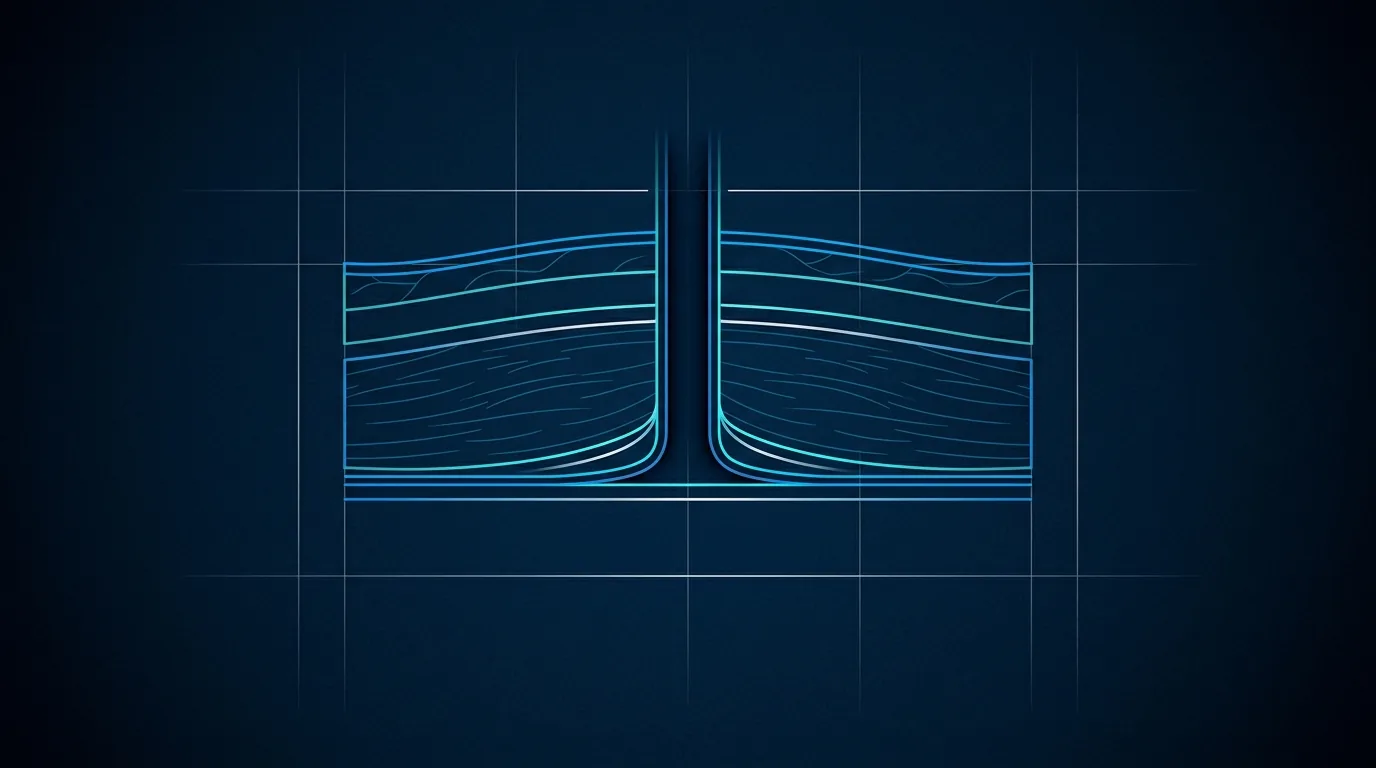
The technique addresses the wall itself rather than the contents of the abdomen. This matters, because one of its features is that I usually do not need to enter the abdominal cavity at all.
Not every hernia is suitable. Very large defects, heavily scarred abdomens, or particular anatomical situations may be better served by an open or a different laparoscopic technique. I assess this individually.
What happens before the operation?
Before I propose TESAR, I examine you and review your imaging, usually a CT scan of the abdominal wall. The scan tells me the size of the defect, the quality of the muscle, and where the vessels run.
You will have the standard pre-operative assessment: blood tests, an anaesthetic review, and a discussion of your medical history and medication. Smoking, poorly controlled diabetes and obesity all affect healing, and I will be honest about how they influence the plan.
On the day, the procedure is performed under general anaesthesia. You will not be aware of anything during the operation.
Where do the incisions go?
Instead of one long incision, I use a small number of ports: short cuts, typically a few millimetres to just over a centimetre, through which I pass a camera and instruments.
Their exact position depends on the location of your hernia. I plan them so that I can reach the whole defect and create the working space I need behind the muscle.
What is the 'sublay' space, and why does it matter?
The abdominal wall is made of layers. The 'sublay' position means placing the mesh behind the muscle, in front of the deeper lining, rather than under the skin or inside the abdomen.
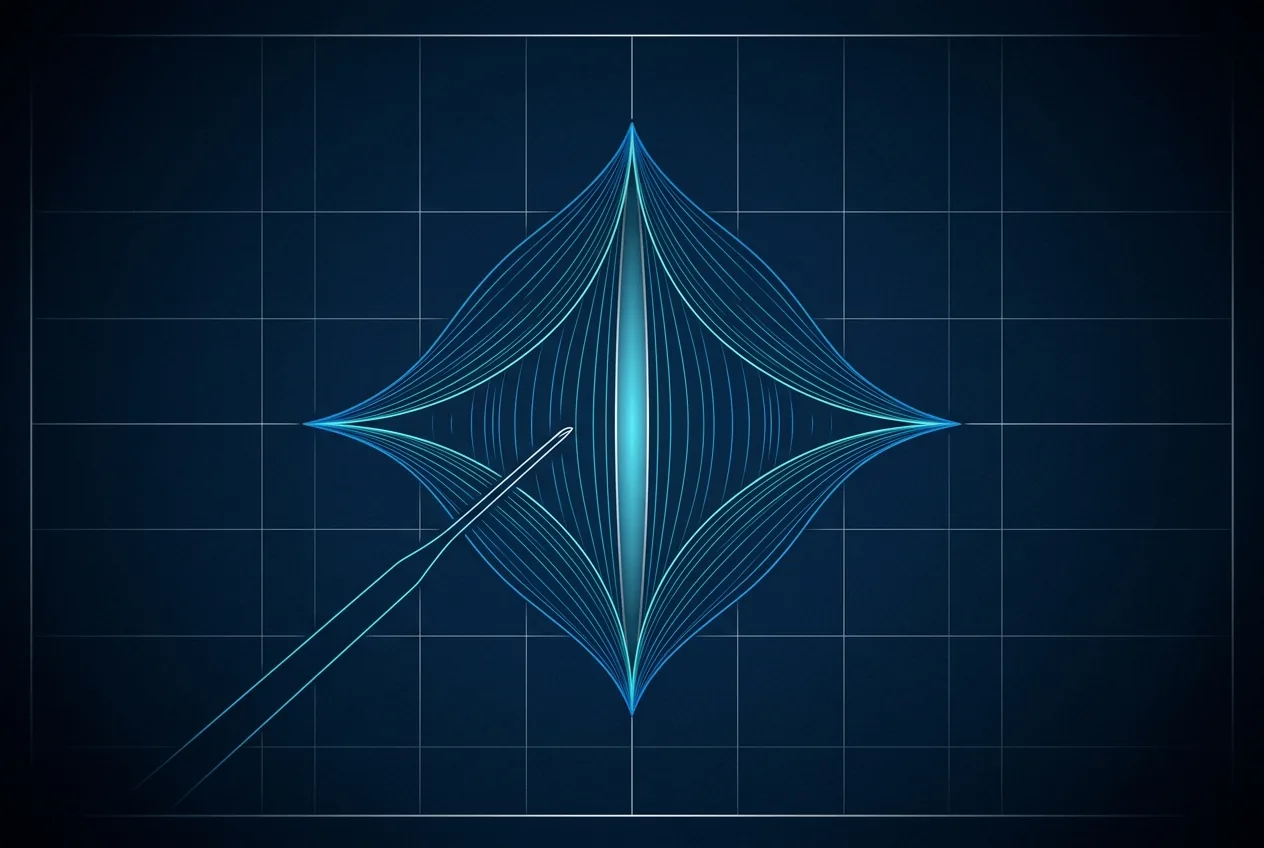
This position is well regarded in hernia surgery because the mesh sits in a well-vascularised layer, held in place by the pressure of the abdomen itself. Traditionally, reaching this plane required a large open incision.
What TESAR does is reach that same respected plane endoscopically, through the small ports. The principle is old and tested; the access is what is different.
Step by step: what I actually do during TESAR
The sequence varies with the individual, but the essential stages are consistent.
- I insert the ports and introduce the camera, creating a working space behind the muscle using gentle gas pressure.
- I develop this plane carefully, identifying the edges of the hernia defect from the inside of the wall.
- I bring the separated muscles and the midline back together, closing the defect so the wall regains its structure.
- I place a mesh in the sublay position, spread flat to cover the repair with a margin beyond the defect.
- I check for bleeding, release the gas, and close the small port incisions.
The abdominal cavity, where the bowel lies, is generally not opened. This is one of the reasons the recovery of bowel function tends to be uneventful, though I make no promises about any individual case.
How long does the operation take?
Duration depends on the size and complexity of the hernia. A straightforward case may take a couple of hours; a larger or more scarred wall takes longer.
Endoscopic reconstruction is technically demanding, and I would rather take the time to do it properly than rush a repair that has to last for years.
Why choose an endoscopic approach at all?
The main reasons are the avoidance of a long incision and the reduction of a large raw surface within the tissues. Smaller wounds generally mean less wound-related trouble, though they do not remove risk.
There is also a cosmetic aspect: several small scars instead of one long one. For some patients this matters, for others it does not. I do not present it as the main reason to operate.
The honest counterpoint is that endoscopic surgery is not automatically superior. It suits certain hernias and certain patients. Where an open repair is the safer or more reliable choice, I will say so plainly.
What are the risks?
Every hernia repair carries risks, and TESAR is no exception. General surgical risks include bleeding, infection, and problems related to anaesthesia.
More specific to this type of surgery are collections of fluid (seroma) in the operated space, discomfort at the port sites, and, over the longer term, the possibility that the hernia recurs. No technique abolishes recurrence entirely.
Occasionally an endoscopic operation has to be converted to an open one during surgery, if the anatomy or an unexpected finding makes that the safer route. I discuss this possibility with every patient beforehand.
What is recovery like?
Many patients go home within a day or two, though this depends on the size of the repair and your general health. Some pain and a feeling of tightness in the abdominal wall are normal in the first days.
I generally advise avoiding heavy lifting and strenuous effort for several weeks while the repair settles. Light walking is encouraged early, as movement helps recovery.
I give tailored advice rather than fixed rules, because the right timeline depends on your work, your fitness and the specifics of your operation.
Is TESAR the only option?
No. Alternatives include traditional open sublay repair, other laparoscopic techniques, and in selected cases robotic approaches. Small hernias may need only a simple repair.
The best choice is the one that fits your anatomy, your risk profile and your priorities. My role is to lay out the options honestly, including when TESAR is not the one I would recommend for you.
A closing note
If you are considering surgery for a ventral or incisional hernia, I am happy to review your case and discuss whether TESAR or another approach makes sense for you. A consultation gives us the chance to look at your imaging together and answer your questions calmly, without pressure to decide.
Frequently asked questions
- Does TESAR involve entering the abdominal cavity?
- Usually not. TESAR works within the layers of the abdominal wall itself, behind the muscle, in the sublay plane. The abdominal cavity, where the bowel lies, is generally left undisturbed. This is one of the features of the technique, though in unusual cases the plan may need to change during surgery based on what I find.
- How long will I stay in hospital after a TESAR procedure?
- Many patients are discharged within one or two days, but this depends on the size of the hernia, your general health and how your recovery progresses. Larger or more complex repairs may require a longer stay. I decide discharge on an individual basis rather than following a fixed rule, and I never rush it.
- Will TESAR leave visible scars?
- TESAR uses several small port incisions instead of one long cut, so scarring is generally more discreet than after open surgery. Scars still form, and healing varies between individuals. I regard the cosmetic benefit as secondary to the quality and durability of the repair itself, and I would not choose the technique on appearance alone.
- Can any hernia be treated with TESAR?
- No. TESAR suits many ventral and incisional hernias, but very large defects, heavily scarred abdomens or particular anatomical situations may be better served by an open or a different technique. I assess each case with examination and a CT scan, and I recommend the approach I believe is safest and most reliable for you.
- Can a TESAR repair fail or the hernia come back?
- Yes, recurrence is possible after any hernia repair, including TESAR. Placing a mesh in the sublay position aims to give a durable result, but no technique removes the risk entirely. Factors such as smoking, obesity, diabetes and heavy physical strain during healing all influence the outcome, which is why I discuss them frankly before surgery.
Published on: 2026-08-10 · Content by Dr. Federico Fiori