Dr. Federico Fiori — about me
Physician and surgeon, specialist in General Surgery. I am Head of the Abdominal Wall Surgery Unit at ASST Santi Paolo e Carlo — San Carlo Borromeo Hospital in Milan, where I practice general surgery, both elective and emergency, as well as robotic surgery. For over thirty years I have also practiced reconstructive and aesthetic plastic surgery, with a particular focus on the trunk. To abdominal wall surgery I have devoted research, international publications and the TESAR technique.
| Specialisation | General Surgery — University of Milan, 2000 |
|---|---|
| Degree | Medicine and Surgery — University of Pavia, 1994 (with honours) |
| Role | Head of the Abdominal Wall Surgery Unit — ASST Santi Paolo e Carlo, San Carlo Borromeo Hospital, Milan |
| Technique | TESAR — Totally Endoscopic Sublay Anterior Repair |
| Scientific societies | Member of SIC – Italian Society of Surgery, SICE – Italian Society of Endoscopic Surgery, EHS – European Hernia Society, ISHAWS – Italian Society of Hernia and Abdominal Wall Surgery, AICPE – Italian Association of Aesthetic Plastic Surgery |
Education and specialisation
Degree in Medicine and Surgery, University of Pavia, 1994, with honors. Specialty training in General Surgery, University of Milan, 2000. From my training years onward, I combined hospital practice with the study of laser physics and its surgical applications.
GENERAL SURGERY
Since 2001 I have worked in the Division of General Surgery at San Carlo Borromeo Hospital in Milan: emergency and trauma surgery, advanced laparoscopy, robotic surgery.
Plastic Surgery
I have practiced plastic surgery since 1996, with particular attention to reconstruction of the trunk and breast, to aesthetic surgery and to laser surgery. It is the daily dialogue between these two worlds — general and plastic surgery — that defines the way I operate.
Abdominal Wall Surgery and the TESAR technique
I am Head of the Abdominal Wall Surgery Unit within the Division of Emergency Surgery – General and Robotic Surgery at ASST Santi Paolo e Carlo, San Carlo Borromeo Hospital in Milan. I developed the TESAR technique (Totally Endoscopic Sublay Anterior Repair) for treating ventral and incisional hernias and rectus diastasis.
Research, publications and teaching
I am the author of articles in international journals, of book chapters and of lectures at national and international courses and congresses, focused in particular on abdominal wall surgery and minimally invasive techniques.
Selected publications
- Totally Endoscopic Sublay Anterior Repair for Ventral and Incisional Hernias. Journal of Laparoendoscopic & Advanced Surgical Techniques, 2019. PMID 30807248 · DOI 10.1089/lap.2018.0807 First description of the TESAR technique.
- Surgical treatment of diastasis recti: the importance of an overall view of the problem. Hernia, 2021. DOI 10.1007/s10029-020-02252-0 Functional and morphological outcomes assessed with the EuraHS-QoL tool.
- Laparoendoscopic extraperitoneal surgical techniques for ventral hernias and diastasis recti repair: a systematic review. Hernia, 2024. PMID 39312025 · DOI 10.1007/s10029-024-03144-3 Classification of anterior and posterior extraperitoneal approaches.
- Totally Endoscopic Sublay Anterior Repair (TESAR) for diastasis recti, primary and incisional ventral hernias: long-term clinical outcomes and quality of life. Hernia 2026;30(1):305, 2026. PMID 42536212 · PMCID PMC13427856 · DOI 10.1007/s10029-026-03808-2 Long-term clinical outcomes and quality of life after TESAR, observational study.
Partial list, being updated. Every reference can be verified through PubMed or DOI.
Lectures and teaching
- Speaker at the congresses of the European Hernia Society (EHS)
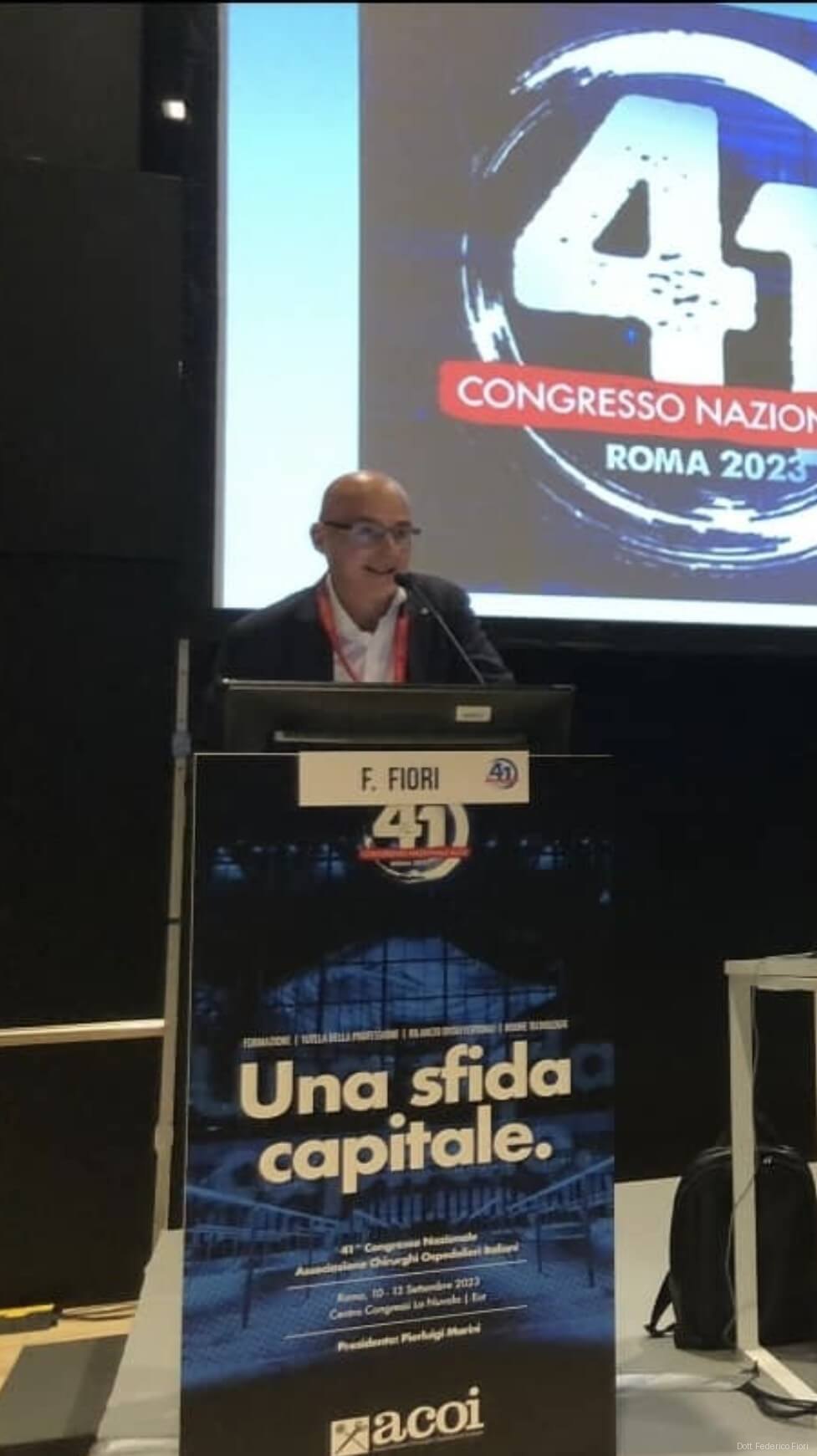
- Speaker at the congresses of the Italian Association of Hospital Surgeons (ACOI)
- Live surgery and teaching for the SIC-ISHAWS National School of abdominal wall surgery
- Lectures at national and international courses and congresses on abdominal wall and minimally invasive surgery
- Public-education meetings for patients and health professionals
The book
I am the author of "Diastasi e dintorni — La Diastasi dei Muscoli Retti per Pazienti e Professionisti della salute" ("Diastasis and Around It — Rectus Diastasis for Patients and Healthcare Professionals"), a book written to be readable by patients and healthcare professionals alike.
Diastasi e dintorni — La Diastasi dei Muscoli Retti per Pazienti e Professionisti della salute. Federico Fiori. Go to the book's website
Roles and activity
- Head of the Abdominal Wall Surgery Unit — Division of Emergency Surgery, General and Robotic Surgery, ASST Santi Paolo e Carlo, San Carlo Borromeo Hospital, Milan;
- Attending Surgeon in General and Robotic Surgery — San Carlo Borromeo Hospital, Milan;
- Scientific Director of FI Multicare, Milan.
A little more about your surgeon
I am rather reluctant to write about myself. I keep an eye on the social networks I belong to but almost never post; I have little time and, in the end, I doubt anyone is truly interested in my private life — least of all here, on a site about professional matters. So when I was asked to write these lines, I was frankly perplexed. But if you'd like to know something more about me and about how I understand this work, you're in the right place.
Every time I have had to choose a professional for personal reasons, I have never managed to set aside the so-called "human side": empathy, the trust a person inspires, that sense of closeness that sometimes forms within seconds and sometimes never forms at all — quite apart from professional qualities, which remain essential. Not everyone works this way, and so it seems right that anyone who wants to get a sense in advance of the person in front of them should be able to.
There is a moment, in my work, when charm no longer counts, when a way with words is of no use, when theoretical preparation — however indispensable — is no longer enough. That moment is when you pick up the scalpel. I have often been asked who, in my view, the best surgeon is; and, simplifying but not by much, I believe the best is the one who operates the most — natural talent aside, which in any case has to be trained.
Surgeons can be divided into two groups. Half of us think we are the best; the other half think there is always something left to learn, that there is always someone who performs a given operation better. I belong to the second group — so if you are looking for the best of them all, I am not the one. As for me, I have lived my passion for this craft at great personal cost, for years, and for that I can only thank my wife and my children for the absences they have endured, and still endure.
A hospital is a world of its own, with its hierarchies, its endless surgical learning curves, its obligations, its punishing shifts, and the emergencies that reshape your life without asking. The countless nights, weekends and holidays spent in hospital are only the tip of the iceberg of a profession that asks a great deal. I won't indulge in the rhetoric of "doing good" or of work as a calling: for all of us the patient is sacred, the only thing to weigh in operative decisions, the ultimate purpose of what we do. What a healed patient can give you has no equal in any other trade; failures, though, weigh like mountains.
I decided not to decide — not to choose between public and private practice, between general surgery and aesthetic plastic surgery. I have been fortunate enough to operate a great deal, alongside great teachers in both general and plastic surgery, and my hospital experience in general surgery serves me every day in plastic surgery, just as my experience in plastic surgery helps me in general surgery. All the way to abdominal wall surgery — the true borderland between the general and the plastic, where skills and expertise meet. Because I love my work, and I love surgery, which — contrary to what some like to suggest — is one thing: made of serious preparation and serious study, of techniques you learn, of skilled hands, of "cut and sew." And the best is the one who uses his hands the most, and the best. And although I have used mine, and still use them, a great deal, I am certainly not the best. Then again, I'm not so bad either.
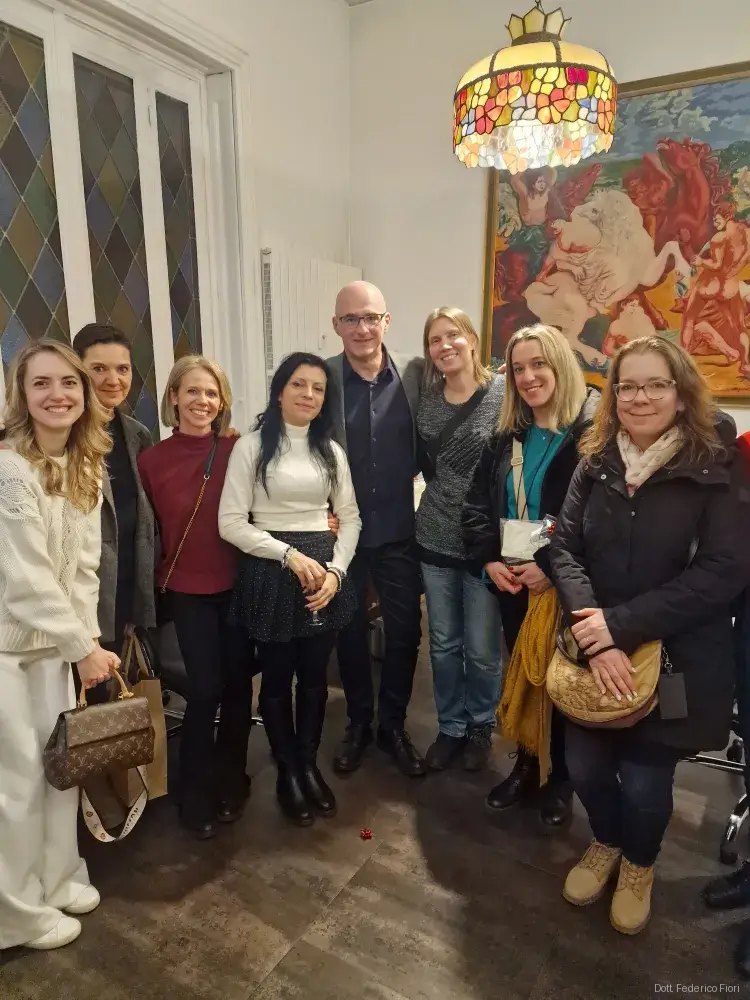
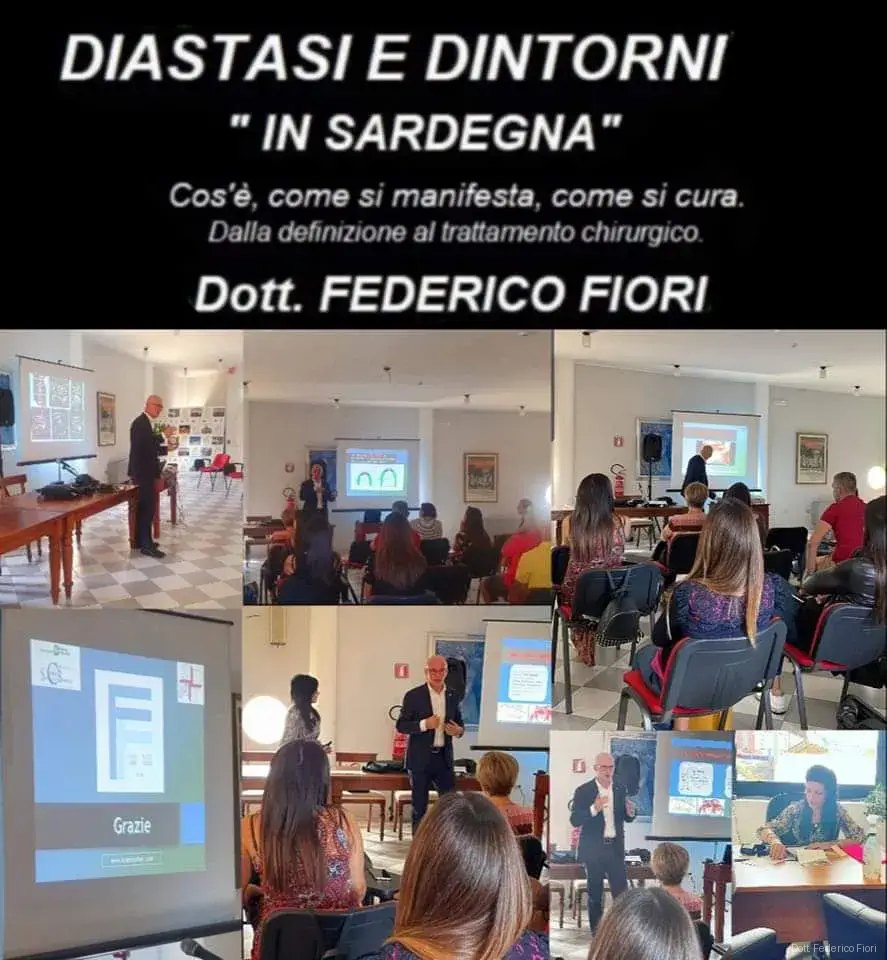
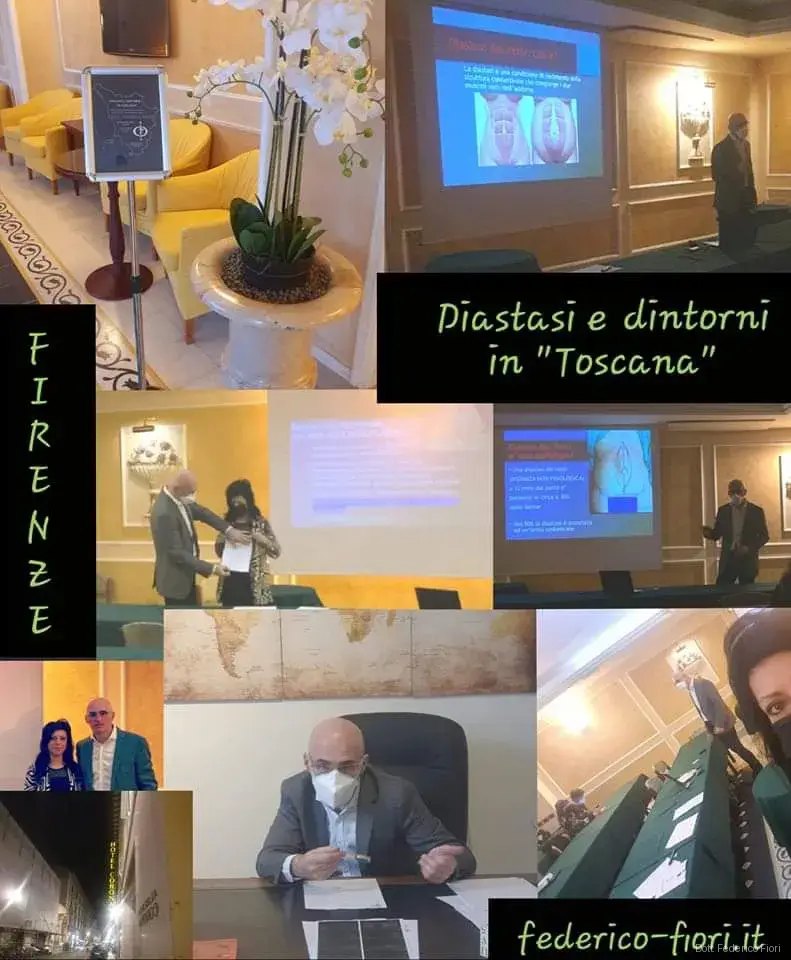
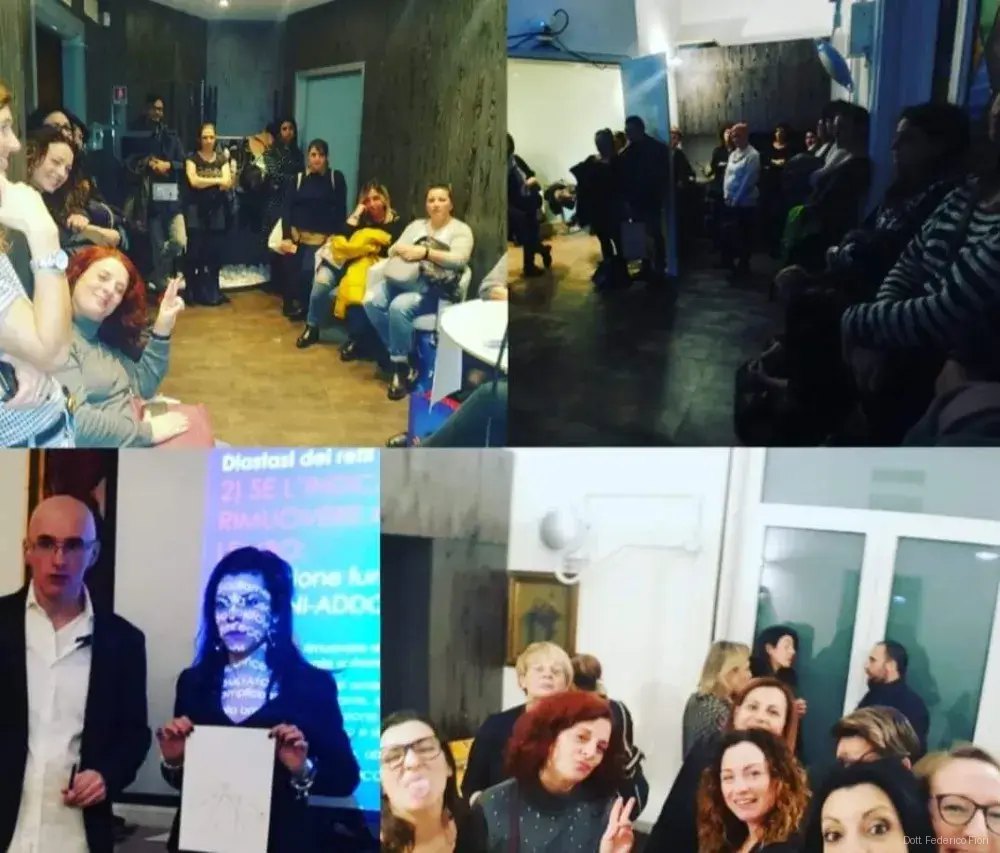
Conferences, courses and teaching
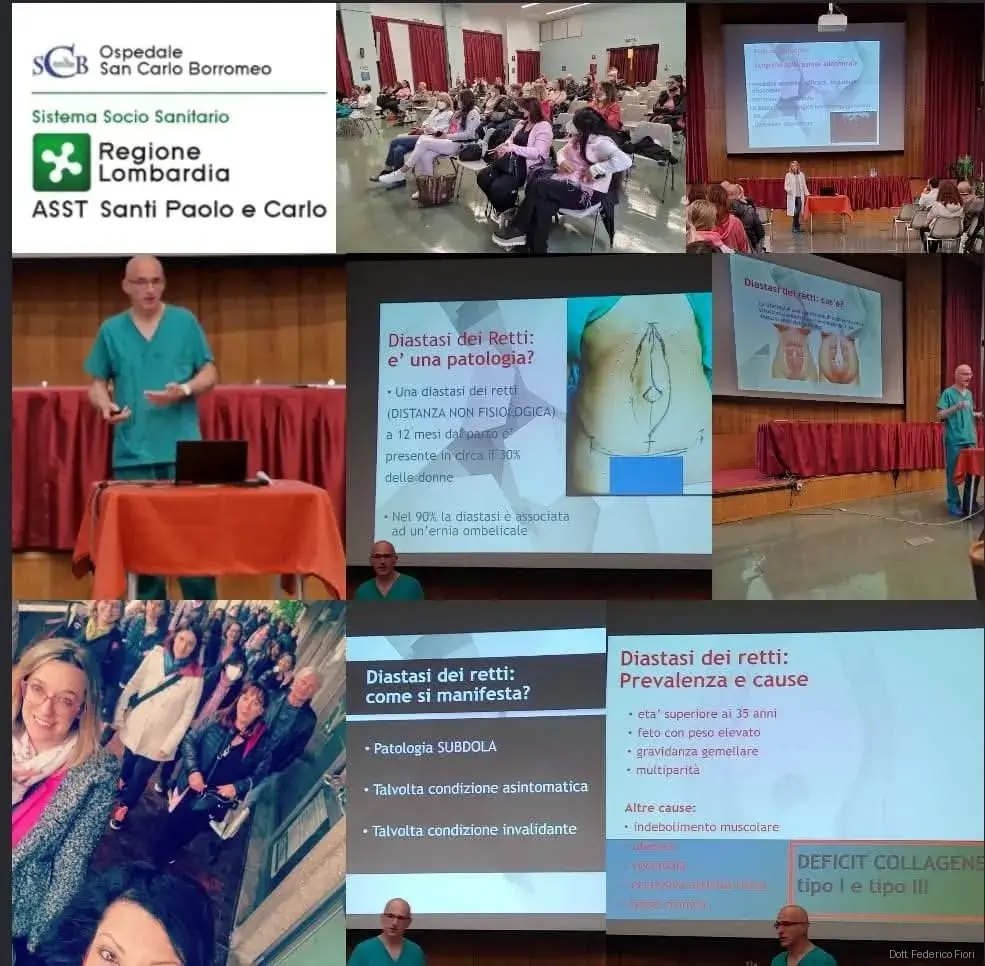
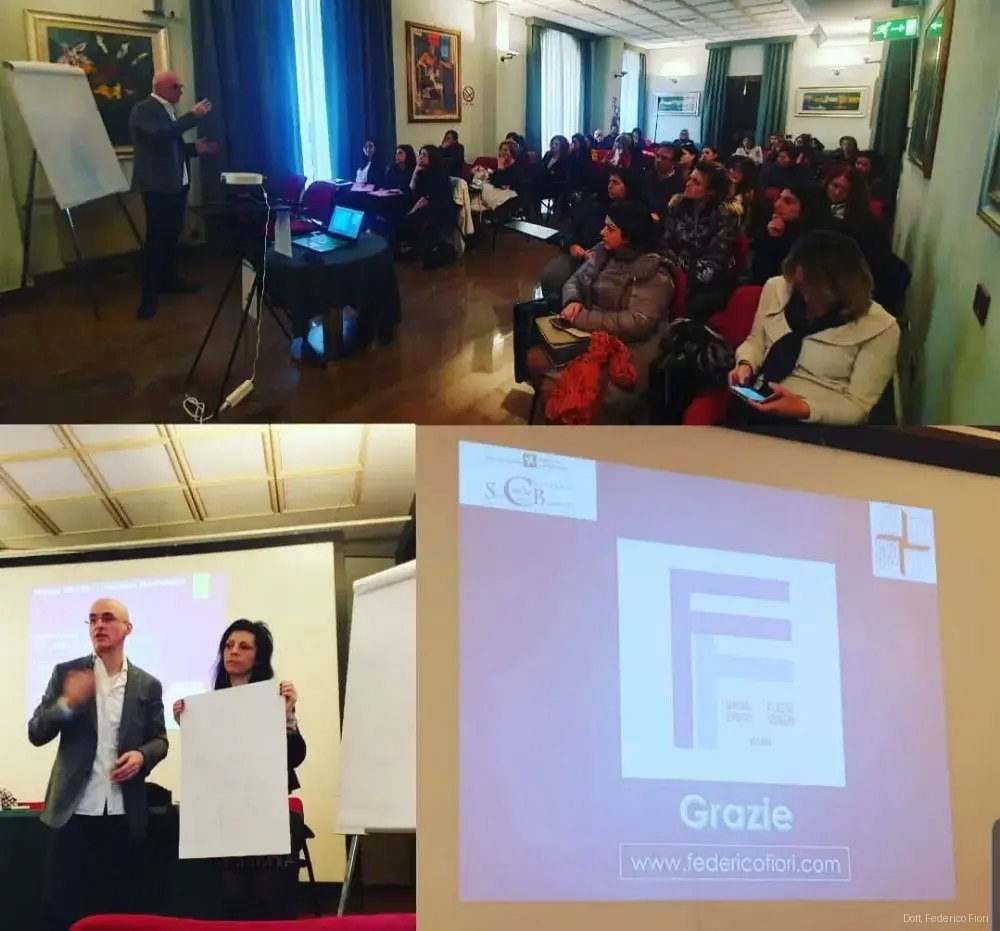
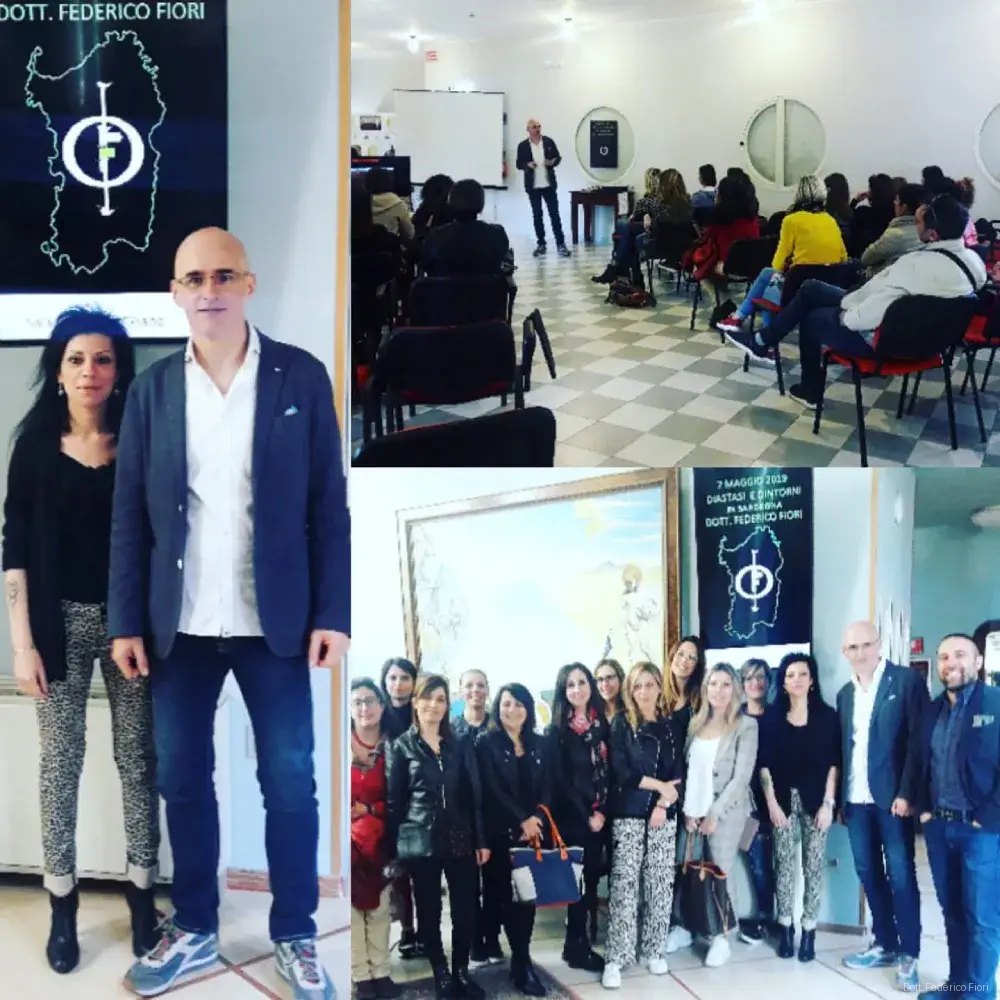
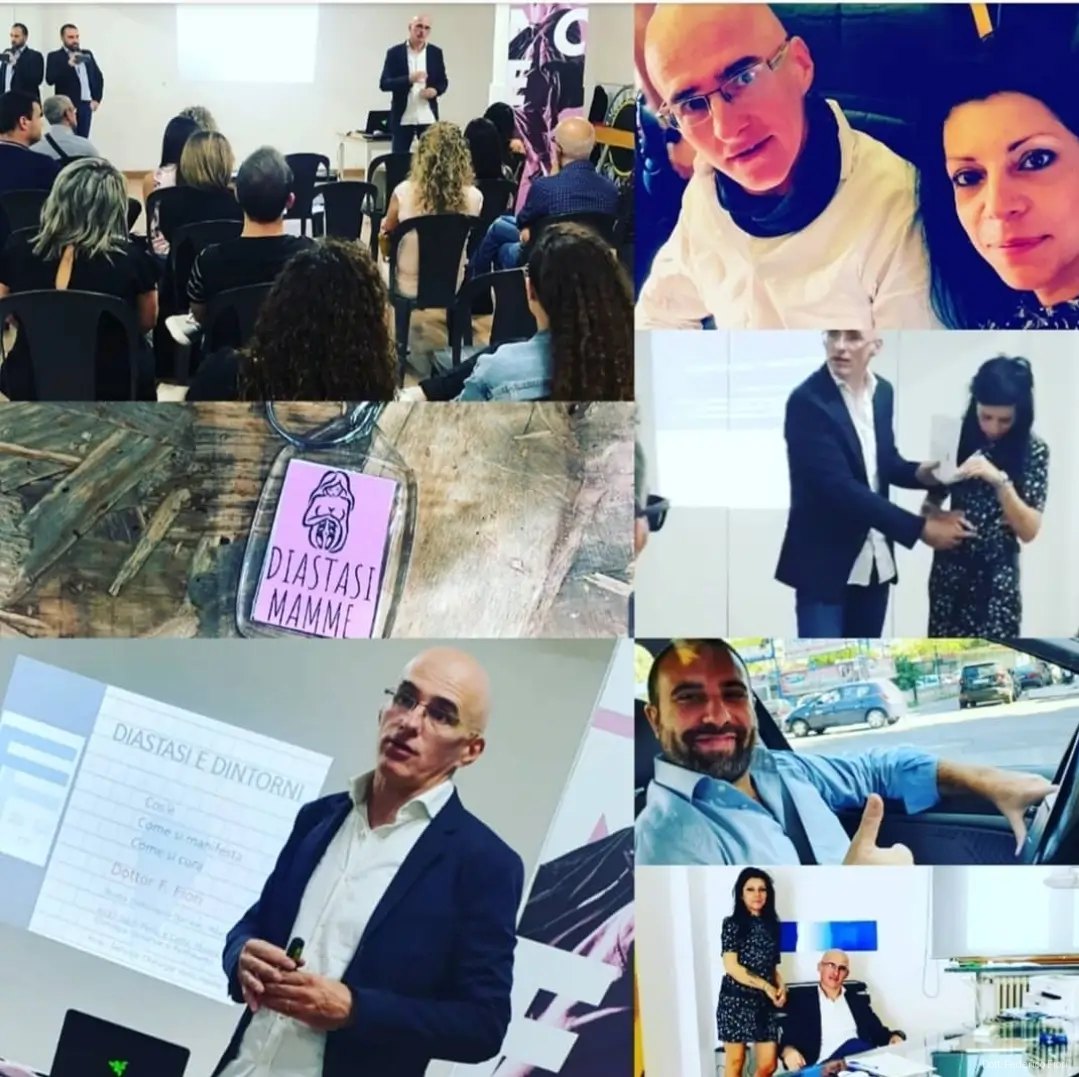
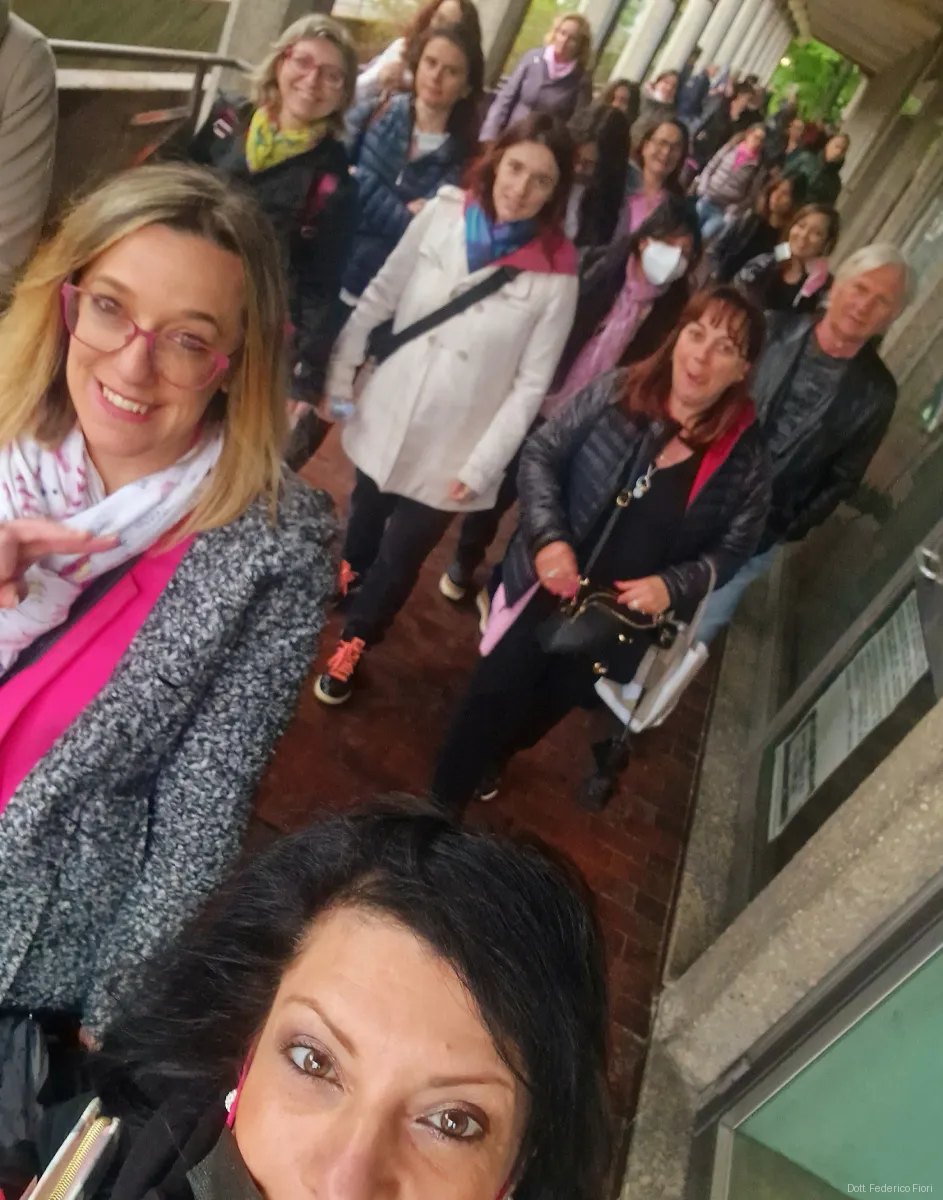
Images from congresses, courses and training sessions where I take part as a speaker or faculty member: this is the setting in which techniques are discussed and tested among colleagues.
Frequently asked questions
- What is Dr. Federico Fiori's specialisation?
- Specialist in General Surgery (University of Milan, 2000), with plastic surgery practice since 1996 and subspecialty expertise in abdominal wall surgery.
- What is the TESAR technique?
- TESAR (Totally Endoscopic Sublay Anterior Repair) is a technique for treating ventral and incisional hernias and rectus diastasis, developed by Dr. Fiori and the subject of international publications.
- Where does Dr. Fiori work?
- At ASST Santi Paolo e Carlo — San Carlo Borromeo Hospital, Milan; he is also Scientific Director of FI Multicare, Milan.
- Does Dr. Fiori operate laparoscopically and with the robot?
- Yes. His hospital practice includes emergency surgery, advanced laparoscopy and robotic surgery, as well as open surgery when that is the most appropriate choice for the individual case.
- Does he have scientific publications?
- Yes: international publications on abdominal wall surgery, including the first description of the TESAR technique in 2019, and he is the author of the book "Diastasi e dintorni."
- Does he teach or speak at conferences?
- Yes, as a speaker and faculty member at courses and congresses devoted to abdominal wall surgery and endoscopic techniques.
Last updated: 2026-09-06 · Content by Dr. Federico Fiori