Bloating, Constipation, and the Abdomen That Changes Through the Day
An abdomen that looks flat in the morning and distended by evening is usually explained by intestinal gas, meals, and constipation rather than by a worsening abdominal wall defect. When a Diastasis or hernia coexists, these functional factors amplify the visible bulge, so bowel habits are assessed and treated before any surgical conclusion is drawn.
Why the same abdomen looks different in the evening
The question patients ask is direct: how can the abdomen be almost flat at breakfast and visibly swollen at dinner, if nothing anatomical has changed in twelve hours? The answer is that the anatomy has not changed, but its contents have.
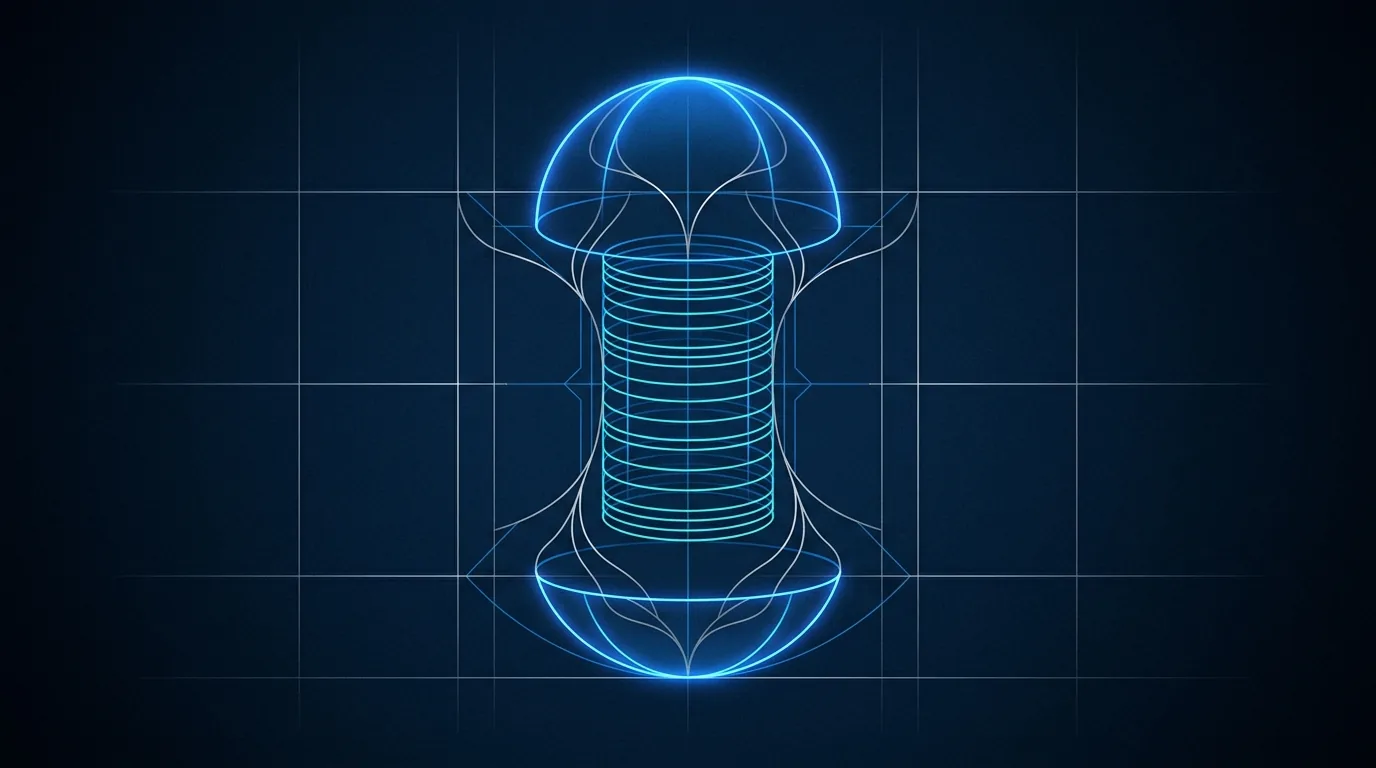
During the day the intestine fills with food, fluid, and gas produced by the fermentation of what is eaten. This volume pushes the abdominal wall outward. The wall is elastic, so it accommodates the load and the profile of the belly rises accordingly.
Overnight, with no meals and slower transit, much of that gas is reabsorbed or expelled and the intestine partly empties. By morning the same wall contains less, and the abdomen looks flatter. The cycle repeats every day, which is why the change feels predictable.
When the Linea Alba is widened by a Diastasis, or a small defect is present, the midline yields more easily to this internal pressure. The evening bulge then appears more pronounced, even though the underlying condition is stable. It is useful to separate the fixed component from the variable one.
What belongs to the recognized picture
Not every abdominal symptom points to the wall, and not every wall problem produces digestive complaints. It helps to distinguish what is genuinely associated with a Diastasis or hernia from what belongs to bowel function.
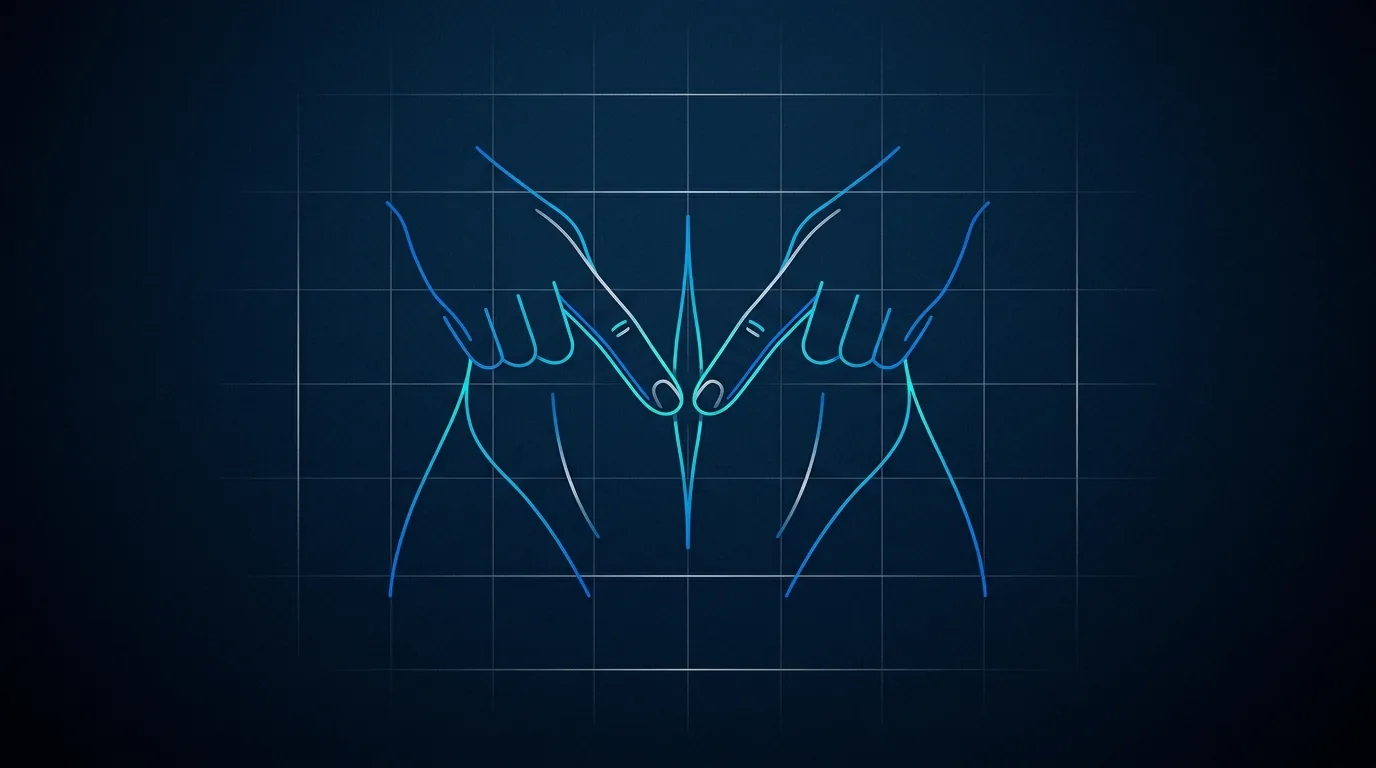
A Diastasis of the rectus muscles can be accompanied by a sense of abdominal weakness, a midline bulge on effort, and postural or low-back discomfort. These features are described in the surgical literature with variable frequency, and their intensity does not correlate neatly with the width of the gap.
Bloating, a feeling of fullness, and irregular bowel habits are common in the general population and are largely functional. They may coexist with a Diastasis without being caused by it. Attributing every digestive symptom to the wall risks both overtreatment and disappointment after surgery.
The elements most reasonably linked to the wall include the following, and it is worth keeping them distinct from purely digestive complaints.
- A visible midline ridge or bulge that appears when the abdominal muscles are tensed, for example on sitting up.
- A sensation of core weakness or of the abdomen “giving way” during effort.
- Discomfort that increases with heavy lifting or prolonged standing and eases when lying down.
- Occasional low-back or postural strain, which several studies associate with impaired abdominal wall function.
- A bulge that becomes more evident in the evening, where a stable defect and a full intestine combine.
Why constipation should be treated first
There is a clinical reason to address constipation before drawing conclusions about the abdominal wall. A loaded colon adds fixed and variable volume, raises intra-abdominal pressure, and exaggerates any midline protrusion. Until transit is regular, the true size of a defect cannot be judged reliably.
Chronic straining is also relevant on its own terms. Repeated increases in intra-abdominal pressure are among the mechanical factors that stress the Linea Alba and any hernial orifice. Treating constipation therefore serves both the symptom and the wall.
In practical terms, transit is optimized with adequate fluid, dietary fiber adjusted gradually, physical activity, and, where appropriate, measures agreed with the treating physician. The aim is regular, effortless evacuation rather than a forced routine. This is basic, unglamorous work, and it changes the picture more than patients expect.
When constipation and bloating improve, two things follow. The variable evening swelling diminishes, and what remains reflects the wall more honestly. Any decision about surgery for a Diastasis or hernia is then made on a clearer baseline, which is the correct order of reasoning.
What is worth reporting during the visit
A specialist assessment is more useful when the history is precise. Vague statements such as “I feel swollen” cover very different situations, from functional bloating to a genuine wall defect. A few concrete observations sharpen the evaluation.
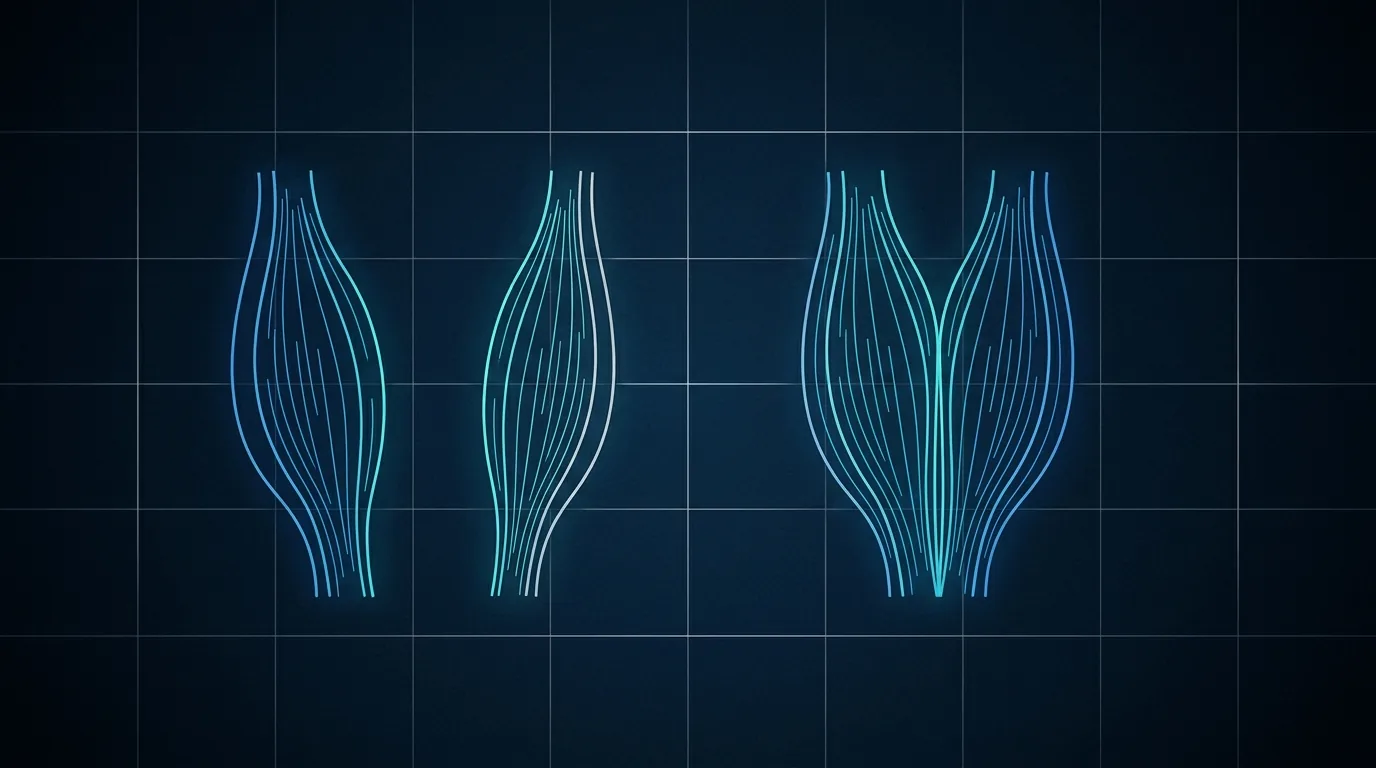
It is helpful to describe the timing of the swelling across the day, its relation to meals, and whether it subsides overnight. A profile that is flat in the morning and distended by evening suggests a strong functional component. A bulge that is constant, or that appears only on effort, points more toward the wall.
Bowel habits deserve honest reporting: frequency, effort, consistency, and any recent change. A change in bowel pattern, blood, involuntary weight loss, or persistent pain are not part of the ordinary bloating picture and warrant separate investigation before anything else.
The following points, noted in advance, make the consultation more productive and reduce the risk of misattributing symptoms.
- When the abdomen looks flattest and when it looks most swollen during a typical day.
- Whether a midline ridge appears on tensing the muscles, and whether it reduces when lying down.
- Bowel frequency, straining, and any recent change in habit.
- Pregnancies, weight changes, and prior abdominal surgery, which affect the wall.
- So-called alarm features — blood, unintended weight loss, persistent or nocturnal pain — which require dedicated assessment.
Also worth reading
The relationship between a Diastasis of the rectus muscles and functional digestive symptoms is a recurring theme, and it is discussed alongside the questions of when repair is indicated and what recovery realistically involves. Reading these topics together helps set expectations, because surgery corrects the wall, not the intestine.
Equally useful is material on the difference between a Diastasis and a true hernia, since the two are often confused and are managed differently. Understanding that distinction clarifies why an evening bulge is not, by itself, a reason for an operation.
Sources
The observations above draw on the general surgical and gastroenterological literature on abdominal wall function, rectus diastasis, and functional bowel disorders. Frequencies and associations reported in that literature vary between studies and populations, and none of them establishes a fixed causal link between bloating and a Diastasis.
Where a specific figure would be cited, it should carry its denominator and its source. In the absence of a single agreed dataset, the prudent conclusion is that constipation and bloating are common, largely functional, and best assessed and treated before wall-related decisions are made.
A specialist consultation allows the daily pattern of the abdomen, bowel habits, and any midline defect to be evaluated together, so that functional and structural components are separated rather than confused. Anyone uncertain about an abdomen that changes through the day may arrange an assessment to clarify what, if anything, requires treatment, and in what order.
Frequently asked questions
- Is an abdomen that swells by evening a sign that my Diastasis is getting worse?
- Usually not. A stable Diastasis does not change size over a single day. The evening swelling reflects intestinal gas, meals, and a fuller bowel pushing against a midline that offers less resistance. The defect is the same; its contents differ. If the bulge is constant or appears mainly on effort, a wall assessment is reasonable, but daily variation points more toward function.
- Can treating constipation reduce the appearance of a midline bulge?
- Often, yes, at least partly. A loaded colon adds volume and raises intra-abdominal pressure, which exaggerates any protrusion. Regular, effortless evacuation reduces the variable component of the swelling and reveals how much depends on the wall itself. This does not repair a Diastasis or hernia, but it clarifies the true baseline before any surgical decision is considered.
- How can I tell functional bloating apart from a real abdominal wall problem?
- Timing helps. Functional bloating tends to build through the day, relate to meals, and subside overnight. A wall defect more often produces a bulge that is constant, or that appears when the muscles are tensed and eases when lying down. The two frequently coexist. A specialist visit, with an accurate history of daily pattern and bowel habits, separates them.
- Should surgery be planned while I still have constipation and bloating?
- It is preferable to address bowel function first. Until transit is regular, the swelling reflects both the wall and a full intestine, so the true size of any defect cannot be judged reliably. Chronic straining also stresses the Linea Alba. Optimizing bowel habits gives a clearer baseline, and any decision about repairing a Diastasis or hernia rests on firmer ground.
- Which symptoms should not be dismissed as ordinary bloating?
- A recent change in bowel habit, blood, unintended weight loss, or persistent, nocturnal, or worsening pain are not part of the ordinary bloating picture. These features warrant dedicated medical investigation before attributing anything to the abdominal wall. Ordinary bloating fluctuates with meals and the day and improves with regular bowel function; alarm features do not, and they deserve separate attention.
Published on: 2026-10-06 · Content by Dr. Federico Fiori